There are a few points of differentiation between an Industrial Fluid Coil and Commercial Fluid Coil - primarily the environment and conditions, materials of construction, and certification.
The environments in which Industrial Fluid Coils operate tend to be harsh and aggressive. Power plants, chemical processing facilities, and waste heat recovery systems are all examples of where Industrial Fluid Coils live and operate. Their environment and realized conditions drive more robust material selection. Material such as 300 series stainless steel or AL-6XN are commonly used with heavy wall or gauge thicknesses.
The US standard for code compliance is the ASME Section VIII, Division 1 Code. SRC will apply either the U or UM stamp based on the volume and pressures of the application. Additionally, we can apply the Canadian Registration Number (CRN) or the Pressure Equipment Directive mark (CE - SEP, Category 1 or Category 2) for shipments into Canada or Europe, respectively.


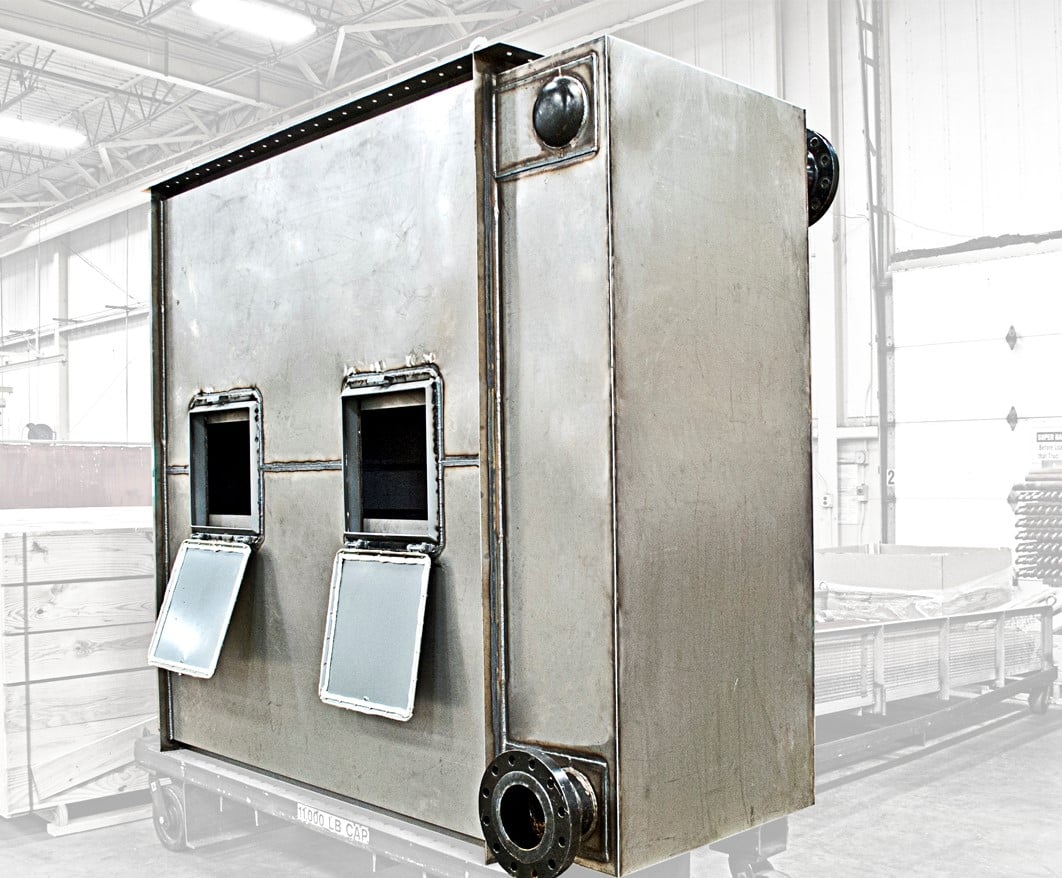
This ASME U stamped pressure vessel was designed to support the combustion of farm waste. It uses a bare tube + plate fin heat exchanger configuration which addresses the contamination in the airstream.
Additionally, the unit was designed with soot blower lanes, which enable the end user to easily clean the inside of the unit with high pressure air. Access doors were designed into the unit to facilitate this activity.
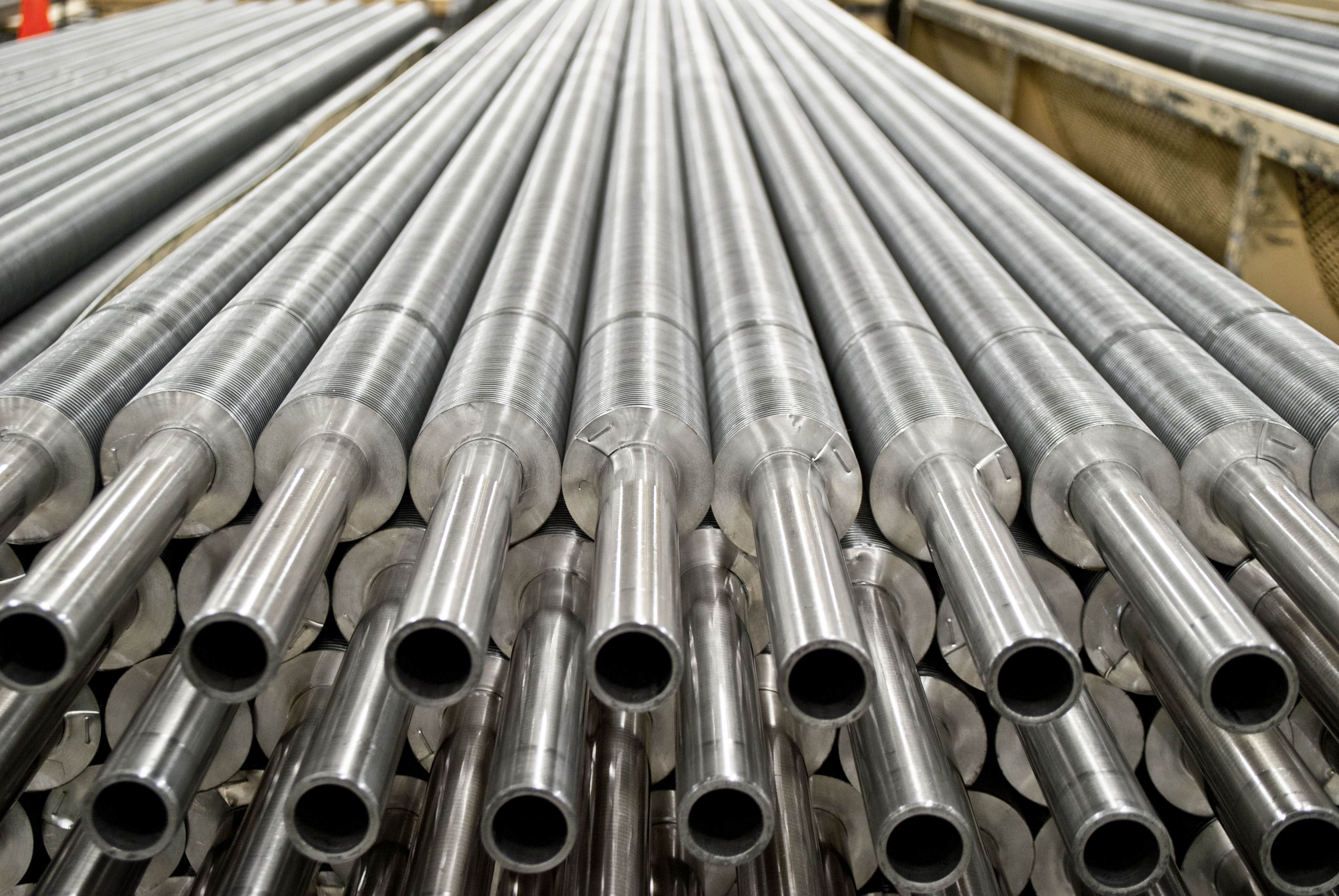
This heat exchanger supported the operation of a thermal oxidizer. The base design of the heat exchanger featured a stainless steel bare tube + spiral fin design. The product was rated for 1900°F and in this application, the air temperature hit the bare tube design first to reduce the temperature before progressing to the spiral wrapped portion of the product's construction.
The product also used 10" ceramic insulation to reduce the surface temperature to 150°F.
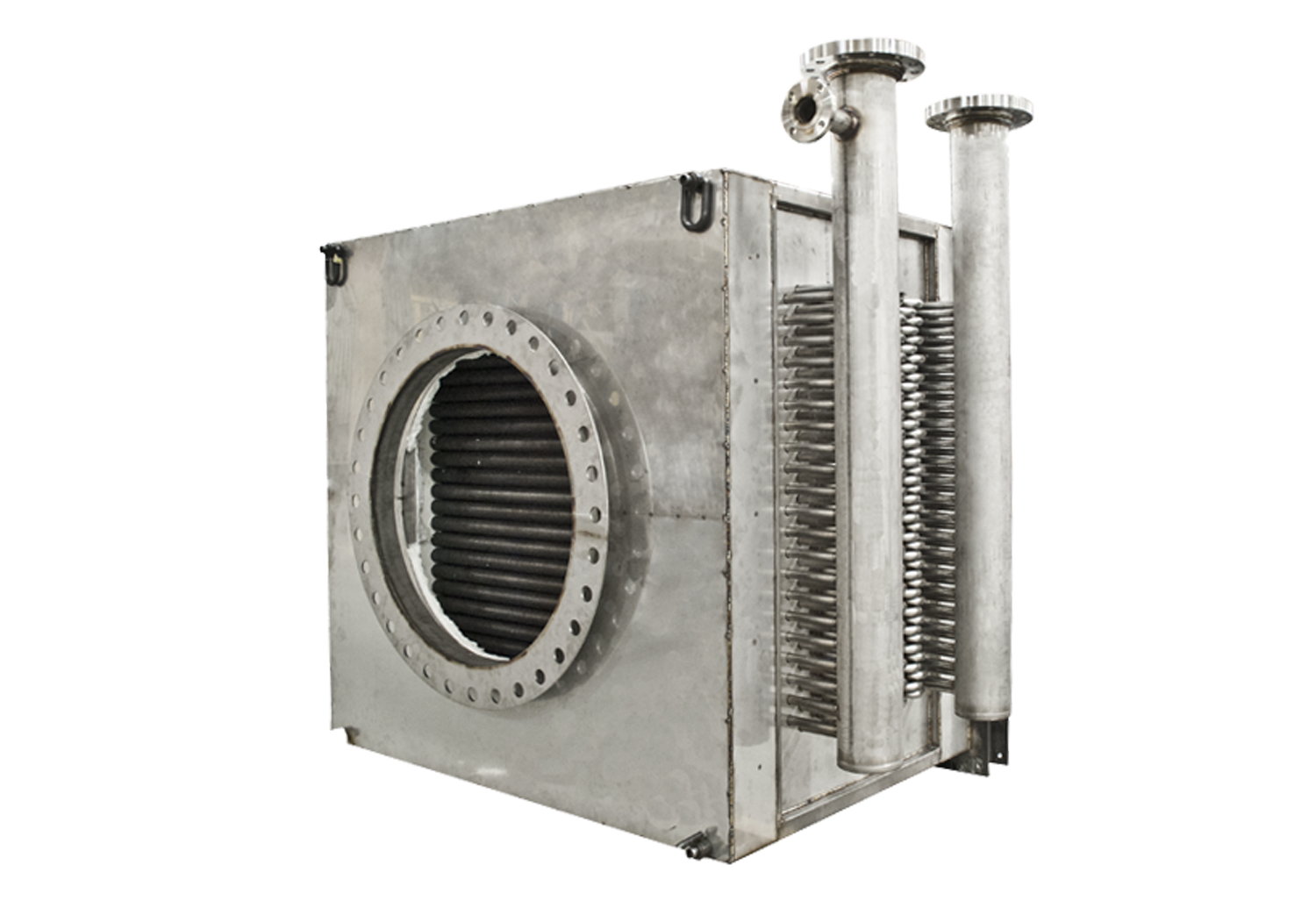
This product uses 5/8 x 0.049 304 stainless steel bare tube and is a triple serpentine circuiting pattern that integrates two 30-row coils in series within the same housing. Stainless materials of construction were used, as the unit is exposed to 700°F exhaust stream during which SiO2 is precipitated out.
The unit features an inline tube pattern for cleanability. It has an air tight stainless steel housing, from which the coils can be removed.
The heat exchanger is certified under ASME VIII, Division 1 Code as well as CE Level 1.
.jpg?width=600&height=800&name=20200313_143247-min%20(1).jpg)
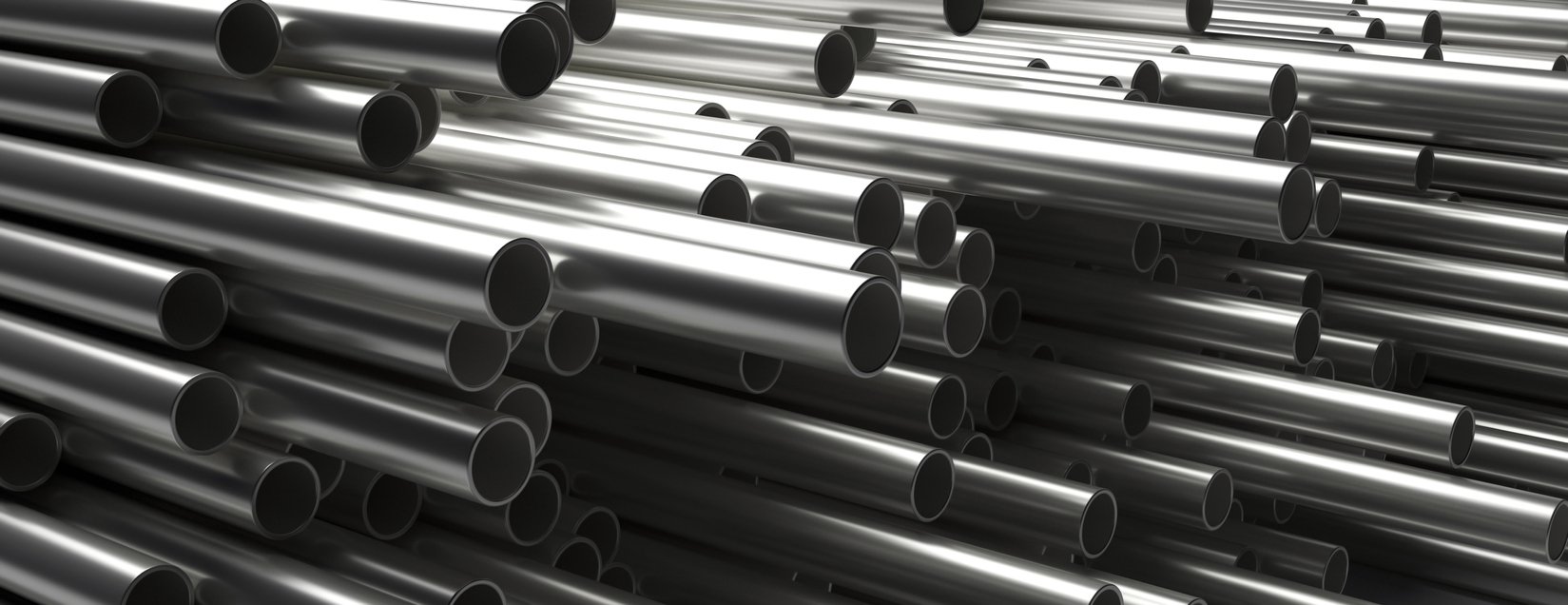
A wide range of materials are used to construct industrial fluid coils. Common and uncommon materials include:
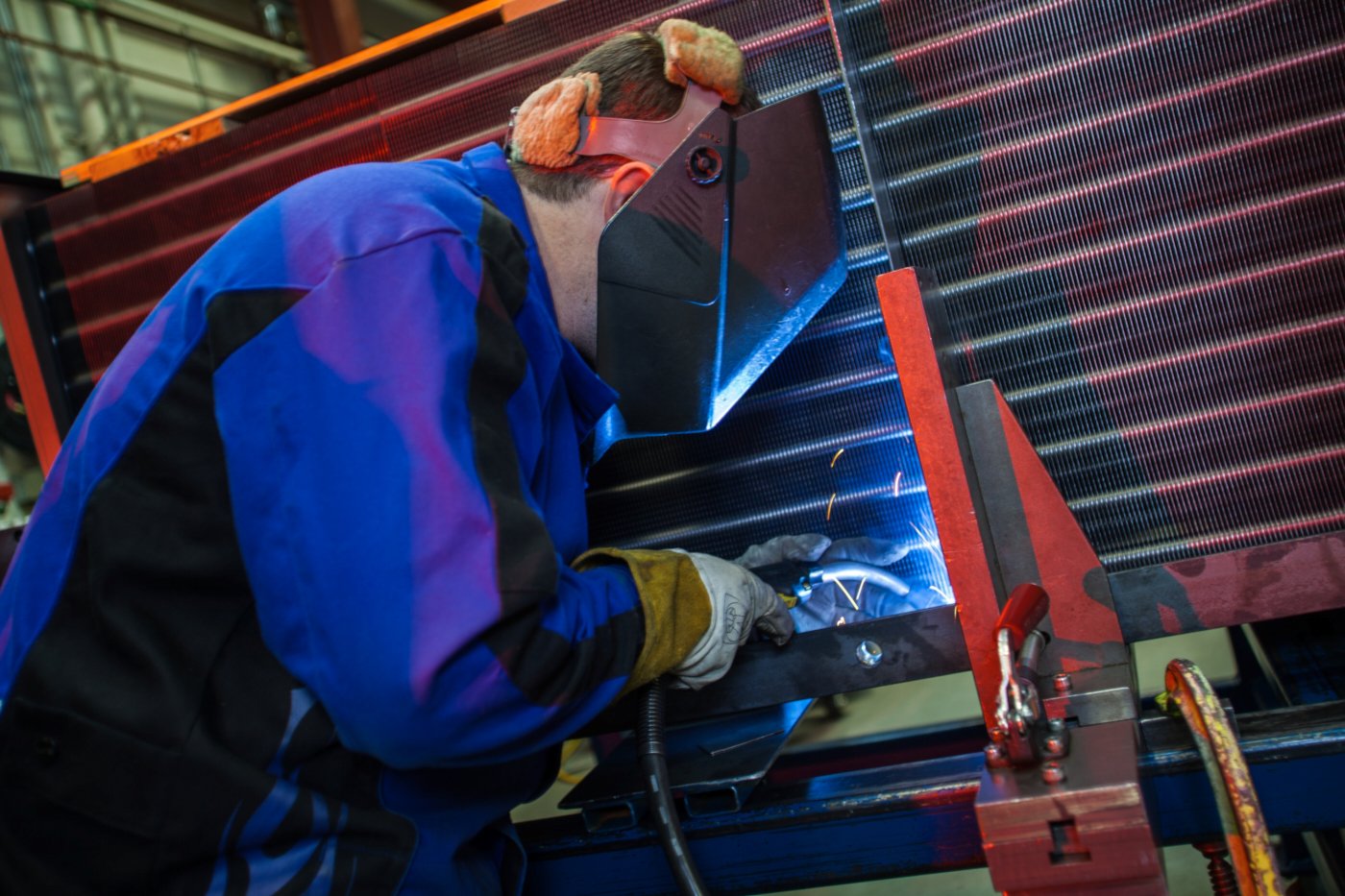
Super Radiator Coils' welders and brazers are certified under ASME Section IX code, and all welding and brazing programs are directed by Certified Weld Inspectors (CWIs).
In addition to our team, we have in-house pickling and passivation capabilities so that the corrosion-resistant benefits of stainless steel products won't be lost after welding.
Need someone who understands your language? Simply answer a few questions and we’ll get our engineers on it.

Need help? Simply answer a few questions and we’ll help you find the right solution.